
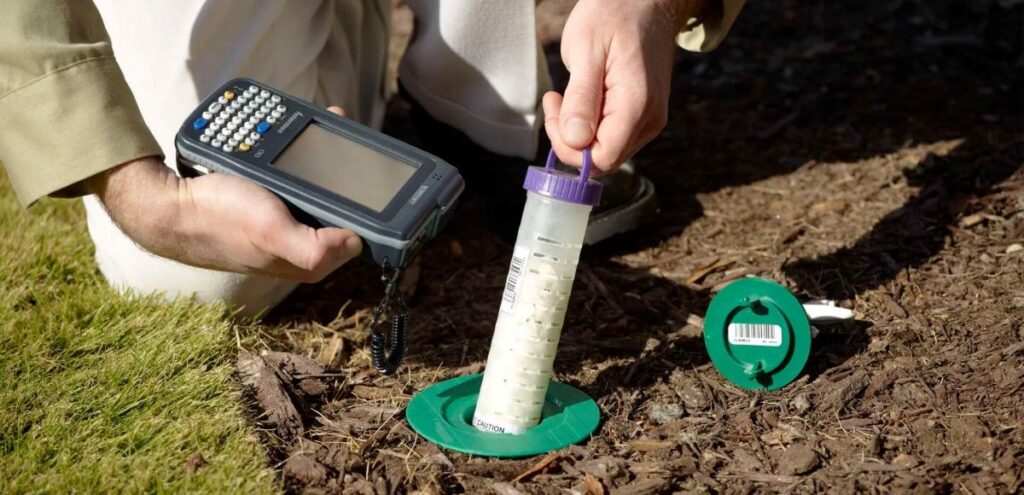
Why are termites in Sydney being reported more often?
They are being reported more often because infestations are easier to trigger and easier to miss. Suburbs continue to expand into greener corridors, and many properties include timber features, garden beds, and moisture points that make termite activity more likely.
At the same time, awareness has improved, so more people inspect and report issues that previously stayed hidden until major damage appeared.
Why does Sydney’s environment suit termites so well?
Sydney provides a mild climate, regular humidity, and plenty of food sources, which helps colonies grow and stay active for longer periods. That’s why installing a termite barrier Sydney homeowners rely on is important, especially when soil stays damp and shaded, allowing termites to travel and feed with less exposure.
Coastal air, heavy rain spells, and sheltered subfloors can create the kind of stable conditions they prefer. A properly installed termite barrier Sydney helps protect properties in these environments, particularly when ventilation is limited.
Why do modern homes sometimes make termite risk worse?
Many modern designs unintentionally create moisture traps and concealed access points. Slab edges, tight landscaping, decorative cladding, and complex drainage can hide termite leads and reduce visibility during casual checks.
Open-plan renovations often add timber flooring, framing, or wall features. If moisture management and barriers are not upgraded at the same time, risk increases even in homes that look “new.”
Why are homeowners often unaware until damage is serious?
They can cause damage without obvious signs because they eat timber from the inside out. Paint can look intact while internal supports are being hollowed, so the first clue might be a soft floor, stuck door, or cracked trim.
Because they avoid light and air, activity can remain inside wall cavities, roof voids, and subfloors. By the time symptoms show, repairs can be structural rather than cosmetic.
Why do gardens and landscaping influence termite activity?
They influence termite activity because mulch, sleepers, tree stumps, and dense garden beds hold moisture and provide shelter. When soil stays wet near the home, termites can travel safely and build hidden mud tubes.
Placing soil or garden beds above weep holes, stacking firewood against walls, or letting timber touch the ground can reduce natural inspection zones and make entry easier.
Why do leaks and poor drainage raise the risk so sharply?
They raise the risk because constant moisture supports termite survival and encourages them to explore nearby timber. Even a small leak under a bathroom, air conditioner overflow, or blocked downpipe can keep an area damp for weeks.
Poor site drainage can also push water toward subfloors and slab edges. That moisture can weaken timber and make it more attractive, while also helping termites stay concealed.
Why is Sydney’s renovation boom part of the problem?
It is part of the problem because renovations can disturb existing termite management systems. When homeowners modify slabs, add decks, change landscaping, or cover inspection points, barriers and visibility can be compromised.
Renovations also introduce new timber elements and junctions where timber meets soil or damp zones. If termite protection is not reviewed during the project, risk often rises right after “improvements.”
Why can termite damage cost more than people expect?
It can cost more because structural repairs often require opening walls, lifting floors, and replacing framing, not just patching surfaces. They can also damage skirting boards, architraves, cabinetry bases, and subfloor timbers that support large areas.
Insurance commonly does not cover termite damage in many policies. That can leave homeowners funding both treatment and rebuilding.
Why is prevention and inspection still the best strategy?
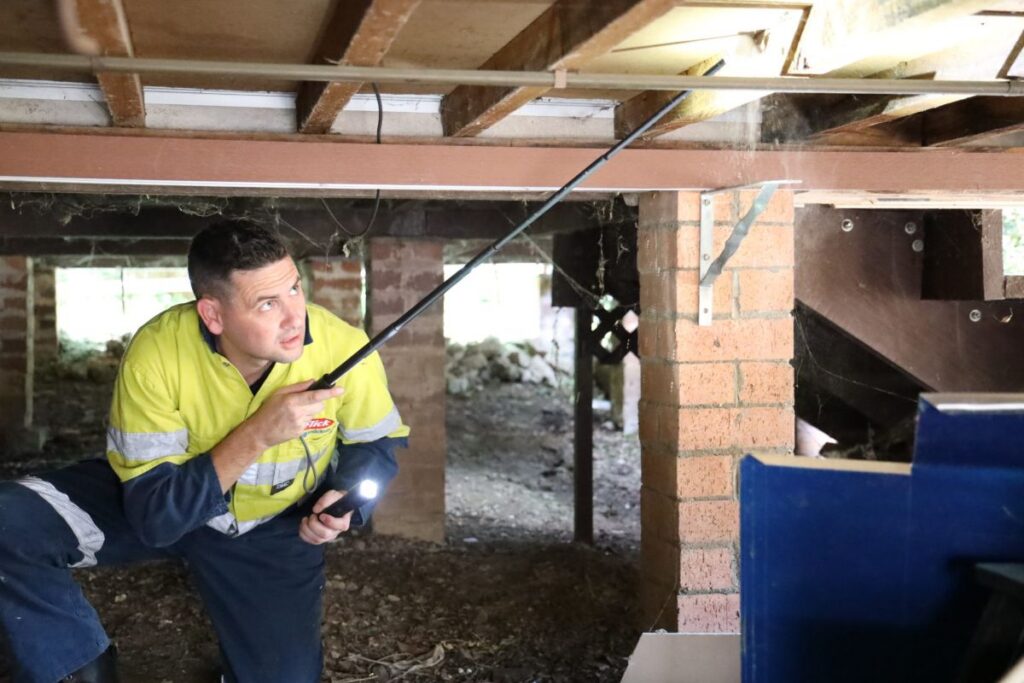
It is the best strategy because early detection usually reduces both damage and treatment complexity. Regular inspections help spot moisture issues, entry points, and early activity before major structural areas are affected.
A practical approach usually includes keeping ventilation clear, managing drainage, maintaining visible slab edges and weep holes, and avoiding timber-to-soil contact. When they treat prevention as routine maintenance, they typically avoid the most expensive outcomes.
More to Read : How to Book Fast and Effective Rat Removal Sydney Services
FAQs (Frequently Asked Questions)
Why are termite infestations in Sydney being reported more frequently?
Termite infestations in Sydney are reported more often because urban expansion into bushland increases exposure to termite-friendly environments. Additionally, modern homes with timber features and moisture points make infestations easier to trigger and harder to detect early, while improved public awareness leads to more inspections and reports.
How does Sydney’s environment contribute to the thriving of termites?
Sydney’s mild climate, regular humidity, and abundant food sources create ideal conditions for termite colonies to grow and remain active longer. Damp, shaded soils, coastal air, heavy rains, and sheltered subfloors provide stable environments that support termite travel and feeding, especially where ventilation is limited.
In what ways do modern home designs increase termite risks?
Modern homes often have design elements like slab edges, tight landscaping, decorative cladding, and complex drainage that trap moisture and conceal termite access points. Open-plan renovations adding timber features without upgrading moisture barriers further elevate the risk by creating hidden entryways and reducing visibility during inspections.
Why are homeowners often unaware of termite damage until it becomes severe?
Termites consume timber from the inside out without obvious external signs; paint may remain intact while internal supports weaken. They prefer dark, enclosed spaces such as wall cavities and subfloors, so activity can go unnoticed until symptoms like soft floors or stuck doors appear, by which time structural repairs may be necessary.
How do gardens and landscaping affect termite activity around homes?
Gardens with mulch, sleepers, tree stumps, and dense beds retain moisture and provide shelter for termites. Wet soil near the home allows safe termite travel and hidden mud tube construction. Poor landscaping practices like placing soil over weep holes or stacking firewood against walls reduce inspection zones and facilitate easier termite entry.
Why is regular prevention and inspection critical for managing termites in Sydney homes?
Regular prevention and inspection enable early detection of termite activity, moisture issues, and entry points before significant structural damage occurs. Maintaining clear ventilation, proper drainage, visible slab edges, weep holes, and avoiding timber-to-soil contact are practical measures that help homeowners minimize costly repairs by treating termite management as routine maintenance.